5 Signs You're Building a Business, Not Just Making Sales
Just to be clear, I don't want you to think that I believe that making sales isn't important. It for SURE is absolutely important. After all, if you don't sell your product, you don't have a business.
However, there's a difference between making sales and building a business.
If, as an artisan vendor, you focus almost exclusively on the next event, the next product, or the next sale, you'll likely struggle to grow your business. Again, those things matter. And long-term growth will come from paying attention to a few other things as well.
Here are five signs that you're building a business, not just making sales.
1. You Plan Ahead Instead of Reacting
Every artisan business experiences busy seasons and slower seasons; it's just the nature of the business.
Business owners who are building intentionally have systems in place that allow them to plan ahead. For example, they're thinking about inventory needs for the next season of events, and even the season after. They're thinking about the events they've scheduled and the marketing or customer communication they'll need, to name a few things in the planning cycle.
They're not waiting until the last minute to think about inventory, events, marketing, or customer communication.
It's not that the "plan" is put into place expecting that it will all go "as planned," however, having a plan in place creates awareness and options.
2. You Evaluate Opportunities Instead of Chasing Them
When you're starting your business, evaluating event opportunities is a bit tricky. Maybe you're late in the cycle, and what you would consider to be the "good" events are full, or the vendor application deadline has passed. That's OK. Every artisan vendor has been there. What's important when you're in this stage is to establish criteria you'll use to determine which events are a good fit for you and your product and which events aren't.
Once you have this criterion established, then you can start asking the right questions about future events so that you have more certainty before paying the fee, making the product, setting up, and selling at an event that will pay off, versus one that won't.
Part of the evaluation criteria is more than sales, again, this is important, but other questions like:
Does this event fit with the goals I have for my business?
Does it fit within the threshold of what I'm willing to pay to attend an event?
What is the expected audience: numbers, demographics, etc.?
What do I expect as my return on investment?
When you evaluate and track the events you participate in, and you ask business questions, you expand your opportunities to grow your business.
And remember, sometimes the right answer about an event is, "This one's not for me."
3. You Learn From Every Event
Beyond generating sales, events provide valuable insights for your business.
You may have an event where your sales were really great, and you may have an event where your sales were really lousy. That happens. Each of these circumstances provides invaluable information.
You might start by asking basic questions like:
Which products sold, and which didn't?
Were there products that generated a lot of interest, but didn't sell?
What questions did customers ask?
What was it about the event and those attending that I think made the difference in sales?
Then there's the more complex question that should follow the answer to the basic questions: Why?
Why do I think those products sold, and these other products didn't?
Why do I think those products generated interest, but didn't sell?
And the What questions:
What worked well?
What should change the next time?
This is certainly not an exhaustive list, but it's a place to start. And business owners who improve their business over time pay attention to these kinds of questions and details.
4. You Think About Customers Beyond the Sale
It's easy for artisan vendors to get into the mindset that their business is about how much they sell at events. That's natural. After all, you're running an artisan event-based business. And with this mindset, it's natural to see customers as one-time opportunities that present themselves during the event.
Yet an artisan business owner who has a growing business looks at this a bit differently. They see the customer who is at their booth, whether they buy or not, as a relationship that can be nurtured. And they look for ways to stay visible to those customers after the event. They create opportunities to sell products to these customers outside of the event.
The goal isn't simply to make a sale today. It's to create opportunities for future sales tomorrow.
5. You Build Systems That Support Growth
Systems can be as simple or complicated as we want to make them. And when you're getting started in your business, or starting to think seriously about being able to evaluate your business, it's not about how simple or complicated systems are that support your business.
It's about what works. It's about what you will actually follow through with and use.
It's about the systems that give you the support and answers you need.
Keep in mind that systems are repeatable processes. Some basic types of systems to consider:
A simple event planning process
A customer follow-up process
An inventory planning process
Good systems, ones you actually use, improve consistency and make it easier to grow and manage your business.
Final Thoughts
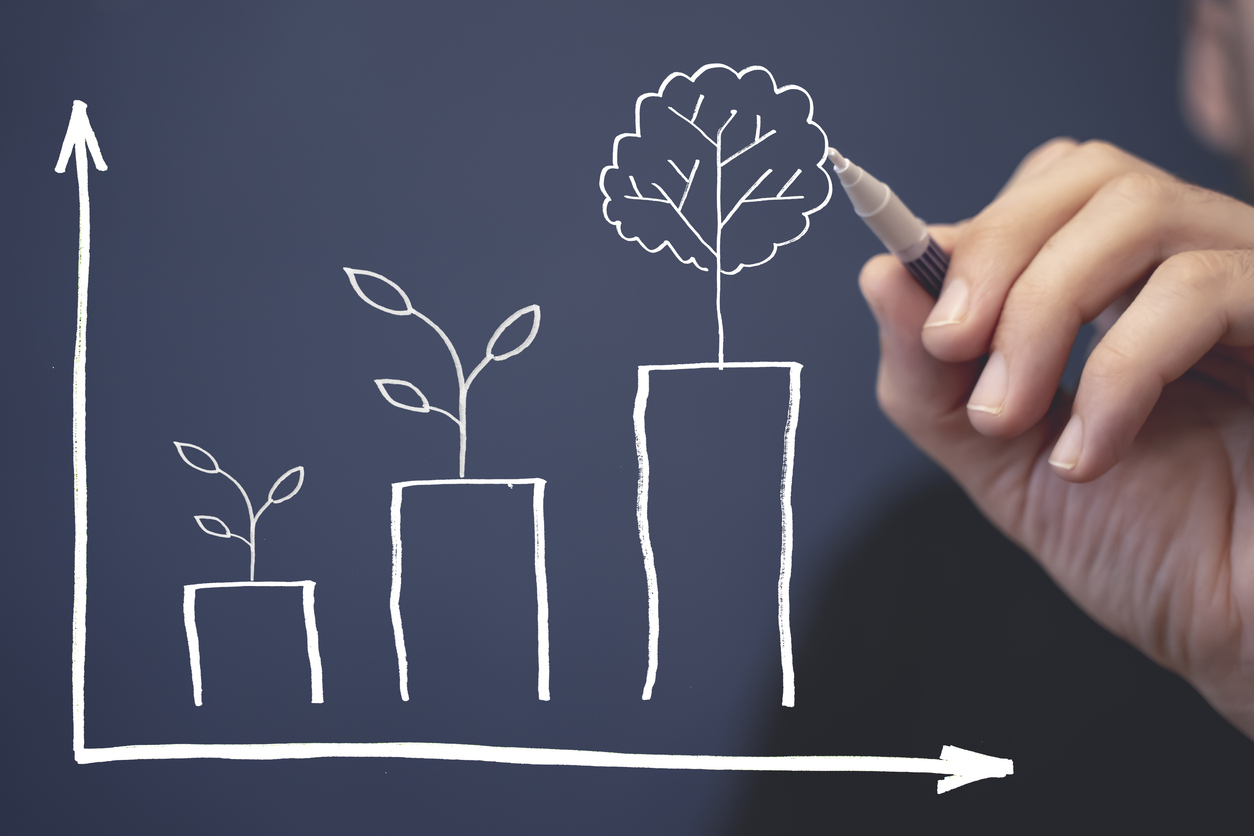
Building a business happens over time, and it's about making a lot of small decisions consistently. It isn't one big decision.
And here's the REALLY GOOD news: you don't need to do everything perfectly. You need to continue building with intention.
Businesses that grow sustainably aren't usually built by accident. They're built one thoughtful step at a time.
Thoughts, comments, or questions you'd like to share with me? Get In Touch


